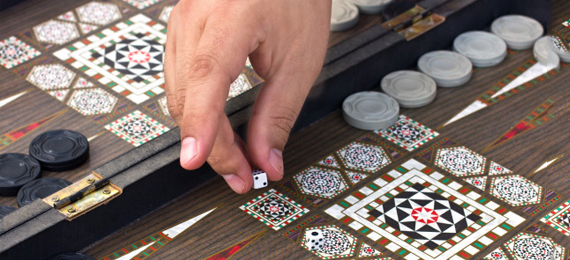
Picture this.
It’s raining outside. Phones are dying. Wi-Fi is acting suspicious.
And suddenly… someone pulls out a board game.
Which game is known as the oldest strategy game?
- A. Monopoly
- B. Chess
- C. Risk
- D. Catan
Within minutes:
- Friendships are tested
- Alliances are formed
- Someone flips the board (it happens)
That’s the magic of top board games—they turn ordinary moments into unforgettable battles of strategy, luck, and laughter. Let’s explore 15 of the most iconic board games, their history, and why they still dominate tables worldwide.
1. Chess
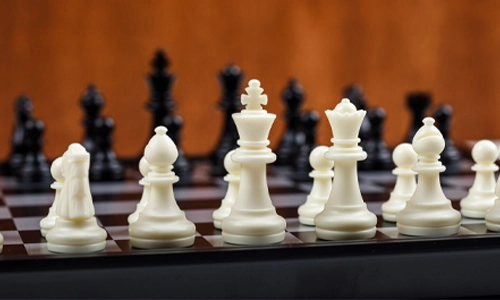
History
Chess dates back over 1,500 years, originating in India as Chaturanga.
Why It’s Popular
Pure strategy. No luck. Just brains vs brains.
Fun Fact
There are more possible chess games than atoms in the observable universe.
2. Monopoly
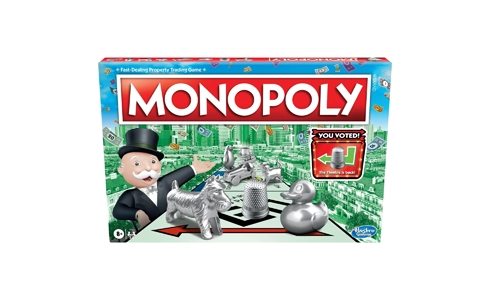
History
Created in 1935 during the Great Depression.
Why It’s Popular
Buy, sell, bankrupt your friends—capitalism, but fun.
Fun Fact
The longest Monopoly game reportedly lasted 70 days.
3. Scrabble
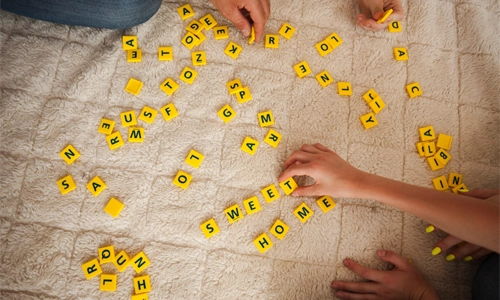
History
Invented in 1938 by Alfred Butts.
Why It’s Popular
Perfect for word lovers and secret vocabulary warriors.
Fun Fact
The highest-scoring word ever played is “OXYPHENBUTAZONE.”
4. Ludo
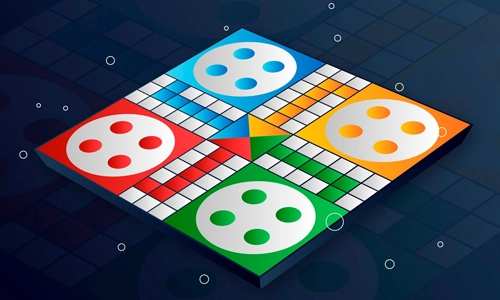
History
Derived from the ancient Indian game Pachisi.
Why It’s Popular
Simple, nostalgic, and surprisingly competitive.
Fun Fact
It became wildly popular again during lockdowns worldwide.
5. Risk
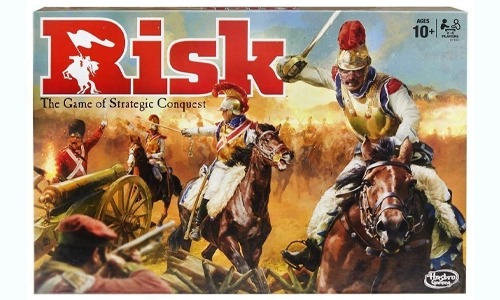
History
Created in 1957 in France.
Why It’s Popular
World domination… without consequences.
Fun Fact
Games can last for hours—or even days.
6. Clue
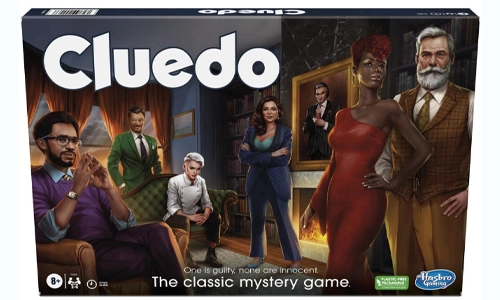
History
Invented during World War II in the UK.
Why It’s Popular
Solve a murder using logic and deduction.
Fun Fact
The game has different names worldwide—Cluedo in many countries.
7. Snakes and Ladders
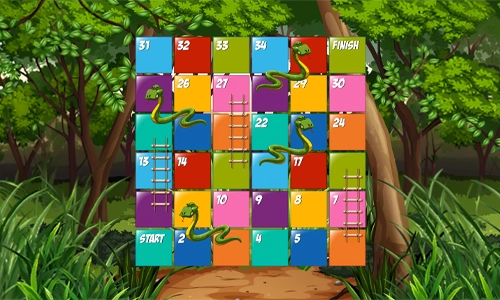
History
Originated in ancient India as a moral teaching tool.
Why It’s Popular
Pure luck, pure chaos.
Fun Fact
Originally designed to teach karma—good deeds = ladders.
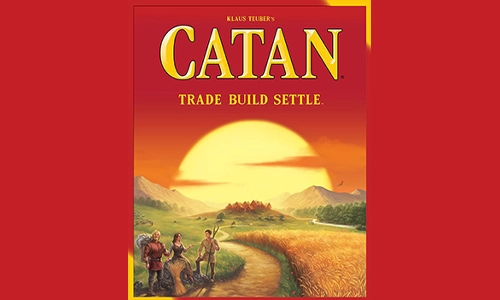
8. Catan
History
Released in 1995 in Germany.
Why It’s Popular
Trade resources, build settlements, and outsmart opponents.
Fun Fact
It helped start the modern board game revolution.
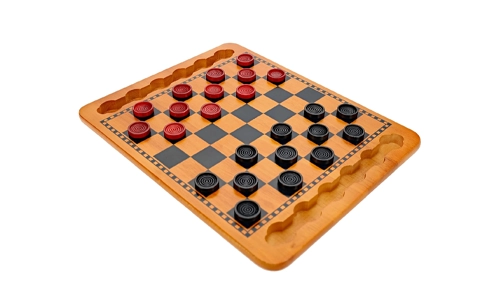
9. Checkers
History
Dates back to ancient Egypt.
Why It’s Popular
Easy to learn, hard to master.
Fun Fact
Also known as Draughts in many countries.
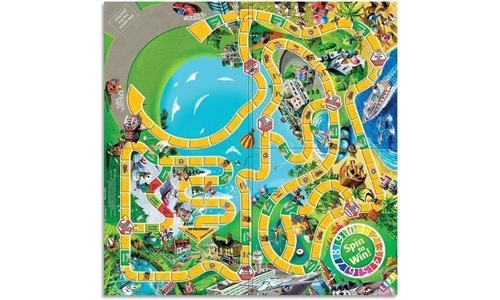
10. The Game of Life
History
Created in 1860 and later modernized.
Why It’s Popular
Simulates life choices—career, marriage, money.
Fun Fact
Originally designed as a moral life lesson.
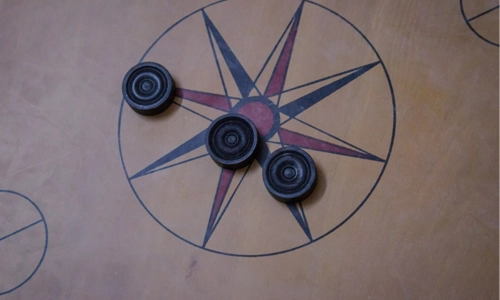
11. Carrom
History
Originated in India centuries ago.
Why It’s Popular
A mix of skill, precision, and focus.
Fun Fact
Often called the “finger billiards” game.
12. Battleship
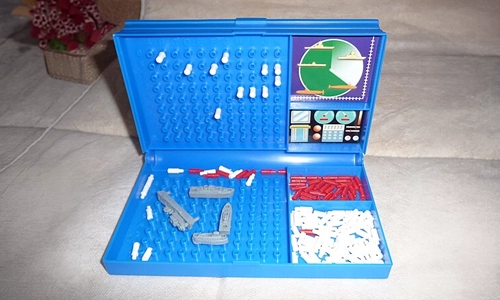
History
Started as a pencil-and-paper game before becoming a board game.
Why It’s Popular
Guessing meets strategy.
Fun Fact
“YOU SUNK MY BATTLESHIP!” is iconic.
13. Pandemic
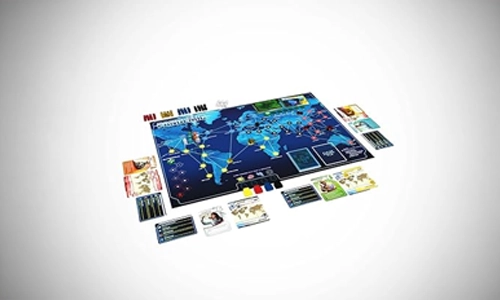
History
Released in 2008.
Why It’s Popular
Players work together to stop global outbreaks.
Fun Fact
One of the few games where everyone wins—or loses—together.
14. Ticket to Ride
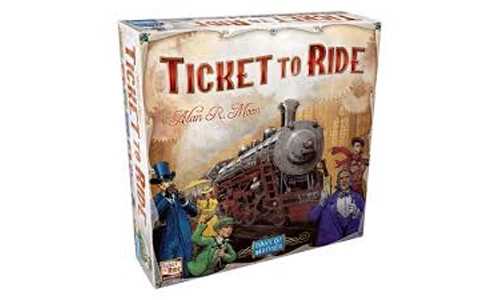
History
Released in 2004.
Why It’s Popular
Build train routes across maps.
Fun Fact
Won multiple Game of the Year awards.
15. Uno

History
Created in 1971.
Why It’s Popular
Fast, chaotic, and wildly addictive.
Fun Fact
Friendships often end over a +4 card
Top 100 Board Games of All Time
# |
Game |
Year |
Origin |
Players |
Fun Trivia |
1 |
Gloomhaven |
2017 |
USA |
1–4 |
Weighed 10 kg and cost $150+ at launch; spawned a legal genre called ‘dungeon crawler legacy’. |
2 |
Pandemic |
2008 |
USA |
2–4 |
Designer Matt Leacock playtested it with his wife; the CDC reportedly uses it as a teaching tool. |
3 |
Terraforming Mars |
2016 |
Sweden |
1–5 |
Based on real NASA science; designer Jacob Fryxelius has a PhD in chemistry. |
4 |
Catan |
1995 |
Germany |
3–4 |
Sold over 40 million copies; it’s credited with introducing Americans to European-style board games. |
5 |
Ticket to Ride |
2004 |
USA |
2–5 |
Won the prestigious German Spiel des Jahres award; inspired a real-world train tourism campaign in Europe. |
6 |
Dominion |
2008 |
USA |
2–4 |
Invented the deck-building genre; designer Donald X. Vaccarino released 13 expansions over 15 years. |
7 |
7 Wonders |
2010 |
Belgium |
2–7 |
Plays in exactly 30 mins regardless of player count; each of the 7 wonders is a real ancient site. |
8 |
Wingspan |
2019 |
USA |
1–5 |
Features 170 real North American bird species; designer Elizabeth Hargrave is an avid birdwatcher. |
9 |
Azul |
2017 |
Portugal |
2–4 |
Inspired by 15th-century Portuguese azulejo ceramic tiles; won Spiel des Jahres 2018. |
10 |
Scythe |
2016 |
USA |
1–5 |
Set in an alternate 1920s Europe with dieselpunk mechs; the artwork became a standalone art book. |
11 |
Codenames |
2015 |
Czech Republic |
2–8 |
Invented by Vlaada Chvátil; a single word clue can link 4+ cards — world record hints span 9 words. |
12 |
Chess |
1475 |
India |
2 |
Originated as chaturanga in India ~600 AD; the modern rules were standardised in 15th-century Spain. |
13 |
Carcassonne |
2000 |
Germany |
2–5 |
Named after a medieval French fortress city; the city’s map inspired the tile-layout mechanic. |
14 |
Agricola |
2007 |
Germany |
1–5 |
Designer Uwe Rosenberg created it during his wife’s pregnancy to simulate family management stress. |
15 |
Betrayal at House on the Hill |
2004 |
USA |
3–6 |
Has 50 unique haunts; no two games are the same — it’s inspired by classic horror B-movies. |
16 |
Splendor |
2014 |
France |
2–4 |
Named for the ‘splendour’ of the gem trade in Renaissance Europe; chips are satisfyingly heavy poker-style tokens. |
17 |
Clue (Cluedo) |
1949 |
UK |
2–6 |
Invented during WWII blackouts in 1943; originally called ‘Murder!’ — the name was changed for launch. |
18 |
Go |
~2500 BC |
China |
2 |
Oldest board game still played; more possible positions than atoms in the observable universe (10^170). |
19 |
Twilight Imperium |
1997 |
USA |
3–6 |
A single game can take 8–12 hours; 4th edition weighs 4.5 kg and has 1,700+ components. |
20 |
Blood Rage |
2015 |
USA |
2–4 |
Designed by Eric Lang; set in Norse mythology — Loki secretly wins if chaos destroys everyone. |
21 |
Coup |
2012 |
Canada |
2–6 |
Originally designed for a dystopian sci-fi setting; entire game fits in a 15-card deck. |
22 |
Viticulture |
2013 |
USA |
1–6 |
Designer Jamey Stegmaier funded it on Kickstarter in 2012 and wrote a famous book about crowdfunding. |
23 |
Brass: Birmingham |
2018 |
UK |
2–4 |
Set in Birmingham’s Industrial Revolution; it topped BoardGameGeek’s #1 spot for several years. |
24 |
Patchwork |
2014 |
Germany |
2 |
Uwe Rosenberg’s best two-player game; quilt pieces are drawn from Tetris-style shapes on a circular market. |
25 |
Love Letter |
2012 |
Japan |
2–4 |
Entire game is 16 cards; designer Kanai Seiji made it in 15 minutes — it’s now sold in 20+ editions. |
26 |
Forbidden Island |
2010 |
USA |
2–4 |
A cheaper, faster intro to Pandemic; island tiles are removed as the flood rises, literally shrinking the board. |
27 |
Dixit |
2008 |
France |
3–6 |
Won Spiel des Jahres 2010; illustrated by Marie Cardouat — artworks are deliberately dreamlike and wordless. |
28 |
Hive |
2001 |
UK |
2 |
No board needed — the tiles form the board; inspired by the way insect colonies self-organise. |
29 |
Power Grid |
2004 |
Germany |
2–6 |
Based on a 1983 German game called Funkenschlag; its fuel market is a real supply-demand simulation. |
30 |
Twilight Struggle |
2005 |
USA |
2 |
Simulates the Cold War 1945–1989; uses real historical events as cards — players embody the US and USSR. |
31 |
Dead of Winter |
2014 |
USA |
2–5 |
One player may secretly be a traitor; its ‘crossroads’ card system spawned a new card-event genre. |
32 |
Root |
2018 |
USA |
2–4 |
Each faction has completely asymmetric rules; the Woodland War theme was inspired by Watership Down. |
33 |
Pandemic Legacy: Season 1 |
2015 |
USA |
2–4 |
First legacy game to top BoardGameGeek’s #1 ranking; once opened, the game changes permanently each session. |
34 |
Arkham Horror |
1987 |
USA |
1–8 |
Based on H.P. Lovecraft’s Cthulhu Mythos; one of the first cooperative board games ever published. |
35 |
Istanbul |
2014 |
Austria |
2–5 |
Won Kennerspiel des Jahres 2014; set in the Grand Bazaar of Istanbul — merchants rush to collect gems. |
36 |
Everdell |
2018 |
USA |
1–4 |
Set in a woodland creature world; the iconic 3D cardboard Ever Tree holds cards for spring and winter. |
37 |
Sushi Go! |
2013 |
USA |
2–5 |
Popularised card-drafting for casual players; entire gameplay takes ~15 mins — a favourite at restaurants. |
38 |
Maharaja |
2004 |
Germany |
2–5 |
Set in Mughal India; players build palaces to impress the Maharaja as he tours seven cities. |
39 |
Concordia |
2013 |
Germany |
2–5 |
Set in the Roman Empire; almost entirely card-driven — no dice at all, making it a pure strategy gem. |
40 |
Backgammon |
~3000 BC |
Iran |
2 |
One of the oldest games ever — boards were found in the Royal Game of Ur excavation in ancient Mesopotamia. |
41 |
Mysterium |
2015 |
Ukraine |
2–7 |
One player silently communicates as a ghost using surreal illustrated dream cards — no words allowed. |
42 |
Pandemic: Iberia |
2016 |
USA |
2–4 |
Set in 1848 Iberian Peninsula; introduces the historically accurate mechanic of building railways. |
43 |
Castles of Burgundy |
2011 |
Germany |
2–4 |
Named after the Duchy of Burgundy; its dice-allocation mechanism influenced dozens of later euro-games. |
44 |
Sagrada |
2017 |
USA |
1–4 |
Players draft coloured dice to fill a stained-glass window grid; inspired by Sagrada Família in Barcelona. |
45 |
Pandemic: Fall of Rome |
2018 |
USA |
1–5 |
Players defend Rome from invading barbarians; the only Pandemic variant with combat mechanics. |
46 |
Monopoly |
1935 |
USA |
2–8 |
Based on ‘The Landlord’s Game’ (1903) by Elizabeth Magie, who invented it to protest land monopolies. |
47 |
Scrabble |
1948 |
USA |
2–4 |
Inventor Alfred Mosher Butts was an architect; he used frequency analysis of New York Times letters to assign tile values. |
48 |
Catan: Seafarers |
1997 |
Germany |
3–4 |
First Catan expansion; introduces ships and islands — inspired by Viking Age Norse exploration. |
49 |
Takenoko |
2011 |
France |
2–4 |
Players grow bamboo and feed a giant panda; based on the gift of a real panda to France from China in 1973. |
50 |
Kingdomino |
2016 |
France |
2–4 |
Won Spiel des Jahres 2017; uses dominoes to build kingdoms — simple enough for children, strategic enough for adults. |
51 |
Sherlock Holmes: Consulting Detective |
1981 |
USA |
1–8 |
Among the first narrative deduction games; players literally walk Victorian London using a map and case booklet. |
52 |
Robinson Crusoe |
2012 |
Poland |
1–4 |
One of the hardest cooperative games; brutal weather and event systems mean most groups lose their first 5 games. |
53 |
Flamme Rouge |
2016 |
Norway |
2–4 |
Simulates professional cycling races; exhaustion cards slow riders who draft at the front — just like real cycling. |
54 |
Village |
2011 |
Germany |
2–4 |
Won Kennerspiel des Jahres 2012; unique mechanic — worker pieces die of old age and are buried in a chronicle. |
55 |
Tzolk’in: The Mayan Calendar |
2012 |
Czech Republic |
2–4 |
Uses interlocking plastic gears to advance worker actions — workers are placed on moving cogs. |
56 |
Mage Knight |
2011 |
USA |
1–4 |
One of the most complex solo games; a solo campaign can run 6+ hours and requires a spreadsheet to track. |
57 |
Dominion: Intrigue |
2009 |
USA |
2–6 |
First standalone expansion to a deck builder; introduced victory-point cards that are also actions. |
58 |
Pandemic: On the Brink |
2009 |
USA |
2–5 |
First Pandemic expansion; introduced a virulent strain and a covert bioterrorist player role. |
59 |
Battlestar Galactica |
2008 |
USA |
3–6 |
Based on the TV series; hidden Cylon traitors mechanic influenced dozens of social deduction games. |
60 |
Brass: Lancashire |
2007 |
UK |
2–4 |
Original version of Brass set in the Lancashire cotton industry; hand-management and network-building game. |
61 |
Shogun |
2006 |
Germany |
3–5 |
Uses a battle tower — units are dropped in from top, and random results tumble out — a mechanical marvel. |
62 |
Tokaido |
2012 |
France |
2–5 |
Players travel the ancient Tōkaidō road of Japan; the player furthest behind always moves — a Zen design. |
63 |
Alchemists |
2014 |
Czech Republic |
2–4 |
Requires a companion smartphone app to decode ingredient combinations — a first in modern board gaming. |
64 |
Rococo |
2013 |
Germany |
2–5 |
Set in Louis XV’s France; players design ball gowns for a royal court — the most fashionable euro-game. |
65 |
Yahtzee |
1956 |
Canada |
1+ |
Invented by Canadian couple Edwin and Helen Lowe on a yacht; they called it ‘The Yacht Game’ first. |
66 |
Parcheesi |
1867 |
India |
2–4 |
Derived from the ancient Indian game Pachisi played on cloth boards in Mughal courts — it’s 1,500+ years old. |
67 |
Jenga |
1983 |
UK |
1+ |
Invented by Leslie Scott in Ghana; ‘jenga’ means ‘to build’ in Swahili — she grew up playing it with wooden blocks. |
68 |
Trivial Pursuit |
1981 |
Canada |
2–6 |
Invented by journalists Scott Abbott and Chris Haney in 45 minutes; sold 100 million copies globally. |
69 |
Risk |
1957 |
France |
2–6 |
Invented by French film director Albert Lamorisse; originally called ‘La Conquête du Monde’ (World Conquest). |
70 |
Stratego |
1946 |
Netherlands |
2 |
Based on an earlier French game Tschuka (1908); Dutch publisher Hausemann & Hötte made it a global hit. |
71 |
Othello / Reversi |
1883 |
UK |
2 |
Two Englishmen claimed independent invention; Japanese company Mattel relaunched it as Othello in 1971. |
72 |
Checkers / Draughts |
~3000 BC |
Egypt |
2 |
Among the oldest games on record; ancient Egyptian boards were found in the tomb of Tutankhamun. |
73 |
Battleship |
1931 |
USA |
2 |
Originated as a pencil-and-paper game during WWI; Milton Bradley published the plastic peg version in 1967. |
74 |
Cranium |
1998 |
USA |
4+ |
Created by two Microsoft employees; was the first board game sold in Starbucks stores across the USA. |
75 |
Sequence |
1982 |
USA |
2–12 |
Designer Doug Reuter pitched it for years before it sold — took nearly 10 years to find a publisher. |
76 |
Coup: Reformation |
2013 |
Canada |
2–10 |
Expansion that adds religious factions; lets up to 10 players play — unique for a micro-card bluffing game. |
77 |
Roll for the Galaxy |
2014 |
USA |
2–5 |
Uses custom dice as workers; each die face represents a different role — civilizations race to the stars. |
78 |
Pandemic: Reign of Cthulhu |
2016 |
USA |
2–4 |
Merges Pandemic mechanics with H.P. Lovecraft’s mythos — investigators go insane instead of getting sick. |
79 |
Alhambra |
2003 |
Germany |
2–6 |
Won Spiel des Jahres 2003; set in construction of the Alhambra palace in medieval Granada, Spain. |
80 |
Stone Age |
2008 |
Germany |
2–4 |
One of the most accessible worker-placement games; dice determine resources gathered — food or famine! |
81 |
Le Havre |
2008 |
Germany |
1–5 |
Designer Uwe Rosenberg created a port city economy game; a single game covers 40+ turns of trade. |
82 |
Eclipse |
2011 |
Finland |
2–6 |
One of the deepest 4X space games; inspired by Civilization, it features tech trees and alien species. |
83 |
Quoridor |
1997 |
France |
2–4 |
Won the Mensa Select award; players race pawns across a grid while placing walls to block opponents. |
84 |
Tigris & Euphrates |
1997 |
Germany |
2–4 |
Designer Reiner Knizia set it in ancient Mesopotamia; final score is the player’s lowest-scoring civilization. |
85 |
Caylus |
2005 |
France |
2–5 |
Set in medieval France; considered one of the fathers of the modern worker-placement genre. |
86 |
Dragonwood |
2015 |
USA |
2–4 |
Family game where children capture fantasy creatures; uses a unique hand-combination attack system. |
87 |
A Feast for Odin |
2016 |
Germany |
1–4 |
Has 61 action spaces — the most of any worker placement game; covering your board with tiles is deeply satisfying. |
88 |
Bohnanza |
1997 |
Germany |
2–7 |
Players trade bean cards — they cannot reorder their hand, forcing awkward deals. ‘Bohn’ means ‘bean’ in German. |
89 |
Mancala |
~700 AD |
Africa |
2 |
One of the oldest games in the world; boards have been carved into ancient Egyptian temple floors in Luxor. |
90 |
Mastermind |
1970 |
Israel |
2 |
Invented by Israeli postmaster Mordecai Meirowitz; sold 50 million copies — code-breaking made tactile. |
91 |
Clank! |
2016 |
USA |
2–4 |
Players sneak through a dungeon — the noise they make (Clank!) adds their pieces to a bag the dragon draws from. |
92 |
Puerto Rico |
2002 |
Germany |
3–5 |
Held BoardGameGeek’s #1 spot for years; designer Andreas Seyfarth based it on 17th-century Caribbean trade. |
93 |
Jaipur |
2009 |
France |
2 |
Set in the bustling market of Jaipur, India; best two-player card game for casual gamers per many polls. |
94 |
Spyfall |
2014 |
Russia |
3–8 |
Players ask each other questions to find the spy; the spy must deduce the secret location from context alone. |
95 |
Hanabi |
2010 |
France |
2–5 |
Won Spiel des Jahres 2013; players hold their cards facing outward — you can see everyone’s hand except your own. |
96 |
Onitama |
2014 |
USA |
2 |
Move cards are drawn from a pool of 16 — each game is different; inspired by Japanese martial arts kata. |
97 |
Deckscape |
2017 |
Italy |
1–6 |
A portable escape room in a deck of cards; the whole game fits in your pocket and costs under $15. |
98 |
Camel Up |
2014 |
Germany |
2–8 |
Won Spiel des Jahres 2014; camels stack on top of each other and can carry other camels — pure chaos. |
99 |
Wits & Wagers |
2005 |
USA |
3–7 |
You can win without knowing any answers — just bet on who you think is right; sold 1 million+ copies. |
100 |
The Quacks of Quedlinburg |
2018 |
Germany |
2–4 |
Won Kennerspiel des Jahres 2018; players pull ingredient chips from a bag — draw too many and your pot explodes. |
FAQs
What are the top board games of all time?
Some of the top board games include Chess, Monopoly, Scrabble, Risk, and Catan.
Why are board games still popular?
They encourage social interaction, strategic thinking, and fun without screens.
What is the oldest board game?
Chess and Checkers trace their origins back thousands of years.
Are board games good for the brain?
Yes! They improve memory, problem-solving, and decision-making skills.
Which board game is best for families?
Ludo, Snakes and Ladders, and The Game of Life are great for family play.
Board games aren’t just about winning.
They’re about:
- The arguments
- The laughter
- The unforgettable moments
Because sometimes… the best memories come from a simple roll of the dice.